Celebrando el Día de los Muertos

The Day of the Dead, or “Día de los Muertos,” is a vibrant and deeply rooted tradition in Mexican culture. Celebrated from October 31st to November 2nd, it’s a time to honor and remember loved ones who have passed away. As an educator, introducing your students to this rich tradition can be both enlightening and fun.

Do you cover this celebration in your curriculum? Why or why not? I have, for as long as I can remember taught about this beautiful celebration and a few years ago we decided to make it its own unit. There are so many wonderful, authentic resources available that dedicating just a few lessons on it didn’t do it justice.

In my next few posts I will share how I teach this unit but before diving into the lessons, I like to set the tone by decorating my space with Día de los Muertos decor. You can now find DDM decor in many different chain stores. I’ve had the most luck the past few years at Target!

Here’s what they have this year:

I used last year’s table cloth as a bulletin board backdrop!

I also decorate with ofrendas students made in years past, posters and these bulletin board informational flyers.

Stay tuned for lessons and assessments for DDM!

Poemas de amor y amistad

Valentine’s Day is coming up!!!! and although the celebration varies throughout the Spanish-speaking world it is always nice to do something with your students on this day so they can learn and have fun with new vocabulary.

For this activity, the students are to come up with things that just can’t be with out something else – so for example – peanut butter with out jelly or Spongebob without Patrick.  The students then  brainstorm a list of things in English and then write a poem in Spanish.  I don’t usually EVER do translating, but my students are novices, so their vocabulary is still very limited and I emphasize and teach how to use a dictionary, not a translator, which in the end is a great skill for language learners.

The students just love this activity and in the end learn a ton of vocabulary.  Their end product is a Valentine poem on a card.  This activity can be purchased on TPT in a Google Slideshow format so you can adapt it as needed.

Do you have your students do anything special for El día de San Valentín? 

Assessing Novice Students on El Día de los Muertos: Simple and Fun Ideas! 🎉💀

If you’re looking for effective ways to assess your novice students on cultural topics like El Día de los Muertos, there are plenty of simple and engaging options. At the novice level, interpretive tasks are key, and they don’t have to be complicated! Activities like drawing ✏️, circling 🔵, or identifying key words 📝 are great for assessing cultural understanding, especially for topics that may be new to students.

One of my favorite ways to assess students after a few lessons on ofrendas (see previous posts for lesson ideas! 😉) is through a fun and interactive listening task 🎧. I’ve created an activity where students listen and then drag and drop ofrenda items onto slides based on what they hear. It’s a perfect way to check their comprehension and give them a hands-on experience with the cultural traditions 🖼️🕯️.

You can snag this resource and others on my TpT page! 🎉

Día de Los Muertos Interpretive Reading Tasks for Novice Learners

Are you looking for engaging and accessible ways to get your novice to intermediate Spanish learners reading in the target language? One of my favorite tools for interpretive reading tasks is infographics! 🙌

What are infographics?
Infographics are visual representations of information that combine text, images, and data to make a topic easy to understand at a glance. I love them because they usually don’t have a ton of text, so they aren’t overwhelming for new learners. 💡 Infographics are perfect for exposing students to authentic language while still keeping the reading manageable. Plus, you can find one on almost any topic!

Why infographics work so well for Spanish learners
Because infographics are visually rich and concise, students can use context clues from the images to help them understand the key points. 🖼️ Whether your students are just starting out or more advanced, infographics provide them with real-world reading practice that boosts both their comprehension and confidence.

For example, there are literally hundreds of Day of the Dead infographics available! 🎉 You can find ones that cover everything from the history of the holiday, to ofrendas, to traditional foods and more! 🍲💀
When using infographics, I like to keep the tasks simple so students can focus on understanding the content without feeling overwhelmed. Some of my go-to activities include:

  • Finding cognates: Students look for words that are similar to English to build their vocabulary. 🔍
  • Key words: I ask students to identify the main words or phrases that summarize the infographic. 📝
  • True/False: A quick comprehension check to see if students grasped the essential facts. ✅❌
  • Inferring: I encourage students to make inferences based on the images and information provided.

I’ve curated several fantastic infographics on a variety of Día de los Muertos topics that I’ll be sharing with you below. You can also search for more on Google by typing “Infografías de + topic”. The more specific you are the better!

Do you use infographics in your class? How do your students respond to them? 🤔 What topics would you like to explore next? Let me know in the comments, and let’s keep the conversation going!

Do you want a ready made reading activity AND an assessment with a rubric?! Click this link to snag your own on TPT!

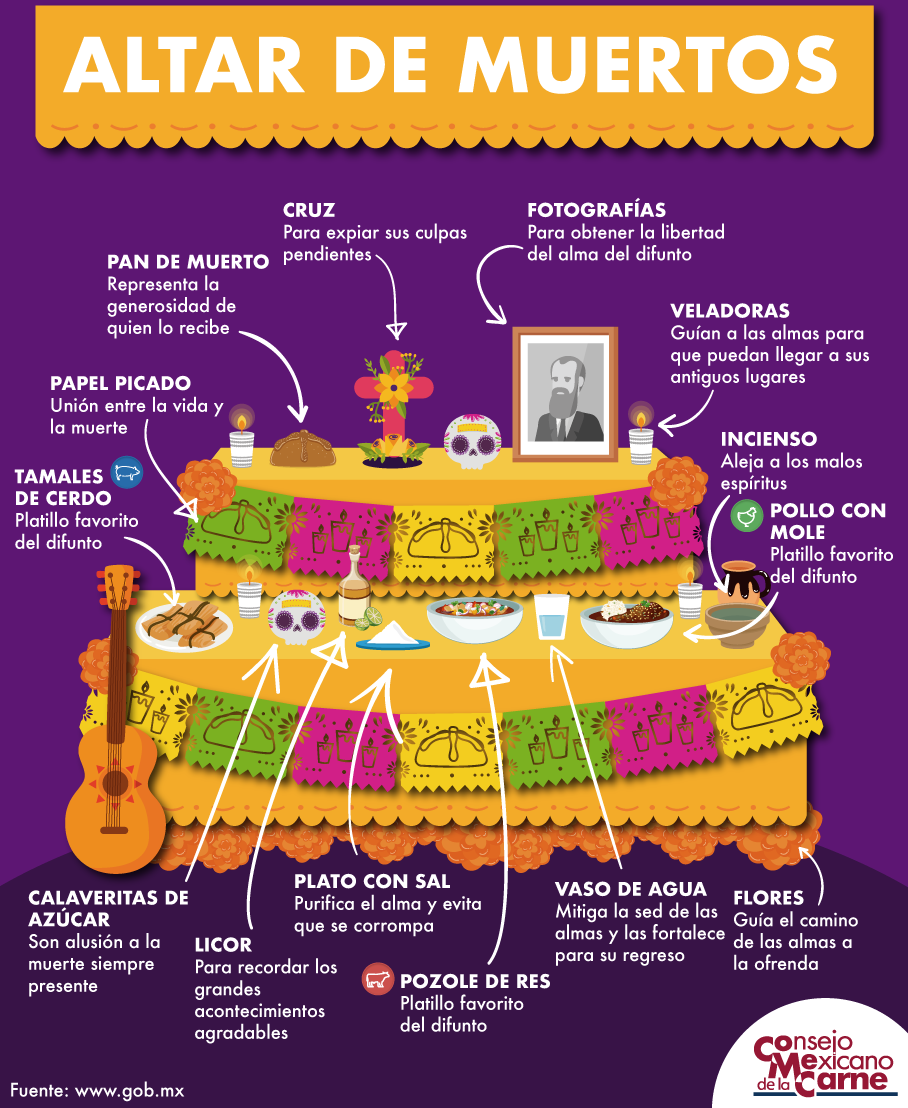
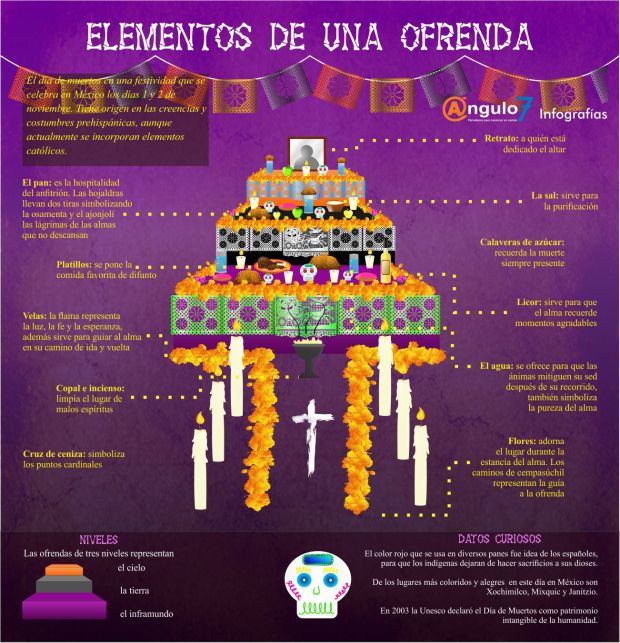
👇 Check out these infographics! 👇. How would you use them?

History / Origin

Ofrendas / Altares

Comida / Bebida

Getting Students Talking in the Target Language! 💬✨ FREEBIE INCLUDED 🎁🥳

This year, my professional development at school is all about helping students build their conversation skills — a skill that seems to be fading in today’s tech-savvy generation. 📱 While our students are great at texting and interacting online, having real, face-to-face conversations is becoming more challenging.

For those of us teaching world languages, this is especially tricky with novice and intermediate learners. 😅 It can be overwhelming to guide students who are just learning basic vocabulary and grammar to actually have conversations in the target language.

With the right scaffolding and the right prompts, it is totally possible to get students talking more in class. One tool that has made a huge difference for me is Chat Mats! 🗣️

What’s a Chat Mat?
A Chat Mat is a simple resource designed to help students initiate and sustain conversations in the target language. It’s a guide that includes key phrases, vocabulary, and sentence starters that students can use for just about any topic. The mat gives them the confidence to start speaking, ask questions, and respond to classmates without feeling stuck. It’s perfect for scaffolding conversations at all levels!

I’ve created Chat Mats for various topics like describing music, gaming, and weekend activities, and now I’ve just made a brand-new one for giving opinions and making arguments! 📝 This latest Chat Mat can be used across topics, giving students the structure they need to express their thoughts and build their argumentation skills in the target language. Click this link for your own copy! Print a class set and laminate or put it in a page protector OR give each student a copy to keep in their folder/binder.

Do you use chat mats in your classes? Do you find them helpful?

Día de los Muertos songs now on Roxxem!

I’m so excited to share that all the songs for my Locura de Día de Muertos bracket are now available on Roxxem! 🎧✨ This new platform makes it even easier for you and your students to dive into these authentic tracks by artists like Julieta Venegas, Monsieur Periné, and Ozomatli.

With Roxxem, your students can listen to the songs as often as they want, helping them learn the lyrics 🎤, rhythms 🎶, and themes more deeply. The platform also supports live class games 🕹️, interactive lessons, and a variety of fun activities to bring these songs to life in your classroom.

What can you do with Roxxem in your classroom?

  1. Live Class Games 🎲: Host live listening games where students can guess lyrics and identify key words and phrases.
  2. Class Discussions 💬: Use the songs as a springboard for discussions about Mexican culture, traditions, and how music plays a role in the celebration of Día de Muertos. This can be done en español or en inglés.
  3. Student Voting ✅: Continue the bracket competition with live voting rounds, where students cast their votes for their favorite songs while learning key language skills along the way. I use Google Forms but there are plenty of other platforms you can use – or even just go old school and have your students do a show of hands or write their favorites on a sticky!

If you haven’t already, be sure to check out the Roxxem platform. It’s a fantastic way to practice music and for your students to connect with the Spanish-speaking culture.

Here are the links to the songs!

“Recuérdame” – Carlos Rivera

“Cempasúchil” – Monsieur Periné

“Mis Muertos” – Julieta Venegas

“Dia De Los Muertos” – El Haru Kuroi

“Cumbia De Los Muertos” – Ozomatli

“Calaveritas” – Ana Tijoux

“Son de Difuntos” – Lila Downs

“Calaverita” – La Santa Cecilia

¡Locura del Día de Los Muertos!

Do you use music in your Spanish classroom? My Día de los Muertos music bracket is the perfect way to get your students listening to authentic Latin music while learning about this beautiful holiday. 🕯️💀

I’ve curated a playlist featuring 8 authentic songs by popular Latin artists like Julieta Venegas, Monsieur Periné, and Ozomatli. These songs help students dive deeper into the rich traditions of Día de los Muertos while connecting with real, modern-day Latin artists 🎤.

Incorporating authentic music is such a fun way to get students engaged in real-world language and culture. These songs not only entertain but also introduce your students to the themes, emotions, and storytelling that surround Día de los Muertos. 🌺

How to Bring This Music Bracket Into Your Lessons

  1. 🎵 Start with the Playlist: Introduce the songs using this Spotify playlist. Play one or two songs a day leading up to the holiday, and have your students comment on their thoughts on the songs.
  2. 📖 Activities for Each Song: Create activities to help students explore the lyrics, artist backgrounds, and cultural meanings behind each song. You can do a cloze activity, matching, describe the video… the possibilities are endless.
  3. 🏆 Run the Music Madness Bracket: Just like a sports tournament, have your students vote for their favorite songs. 🎶 You can use the Google Forms to make voting super easy! Each round, students will narrow down their top picks until one Día de los Muertos song wins. 🙌
  4. 📌 Interactive Bulletin Board: Bring the competition to life with a bulletin board where students can track the progress of the bracket! 🏅 I’ve included printable signs and a slideshow to display in your classroom.
  5. 🎮 Add Roxxem for Lyrics Fun: Some of the songs, like Recuérdame from the movie Coco, are available on the lyrics gaming site Roxxem. Your students will love playing along as they learn the lyrics and practice listening comprehension. 🎤

Want to save time? I have you covered! Find everything you need on my Teachers Pay Teachers page.

Let me know how you’re celebrating Día de los Muertos with your students this year! 👩‍🏫💬

Introducing El Día de los Muertos to Novice Spanish Learners 🎉💀

As language teachers, one of our greatest challenges is making cultural concepts accessible to novice language learners. El Día de los Muertos provides an excellent opportunity to engage students with the Spanish language and immerse them in authentic cultural experiences.

Here’s how you can introduce this important celebration effectively.

Utilizing Authentic Videos and Images 📹

Authentic videos or images are a powerful tool in the language classroom. They expose students to real-world language use and cultural practices. Start by selecting short videos that highlight El Día de los Muertos celebrations, such as community events, family altars, and traditional practices. These videos allow students to see the festivities in action and hear native speakers discussing the significance of the holiday.

For example, you might consider using videos and images that showcase:

  • How families create altars (ofrendas) for their loved ones.
  • The preparation of traditional foods like pan de muertos

Encourage students to focus on key vocabulary and phrases while watching and give them simple tasks such as circling or checking off vocabulary words / items they see in the video or in the image. Have them share as a whole class, in pairs or both.

Your Turn! 🔍

To make the most of these ideas, check out my introductory activity available on Teacher Pay Teachers, which includes ready-to-use resources for introducing El Día de los Muertos to novice learners. This activity provides a structured approach that integrates an authentic video and tasks appropriate for novice learners.

By using authentic videos, images, and texts with thoughtful guidance, you can help your novice Spanish learners connect with El Día de los Muertos in meaningful ways and empower them with their language.

They’ll not only build their language skills but also gain a deeper appreciation for this beautiful tradition. How do you utilize authentic resources in your classroom?

Here are some videos you can use to introduce this holiday!

Get Ready for El Día de los Muertos! 🎉💀

As we get ready to celebrate El Día de los Muertos, I’m excited to kick off a series of blog posts designed to help you prepare for this holiday in your classroom. In this first post, let’s talk about how to get students excited by adding simple decorations to your classroom.

Here are some ideas to get you started:

Colorful Papel Picado – Hang these traditional cut-paper banners around your classroom to add a festive touch. They come in various colors and patterns, making it easy to create an eye-catching display! Make your own or snag this set on Amazon.

💀 Altar Displays – Consider setting up a small altar (ofrenda) to honor loved ones. You can include photos, marigolds, and traditional items that reflect the holiday’s significance. Make one on a table or using a shoe box or see this one from Walmart! Last year, Target had one too – I don’t see it on their site but keep checking as we get closer to November.

🌼 Marigold Arrangements – Use vibrant marigold flowers, either real or artificial, to brighten up your space. Marigolds are used on ofrendas and Day of the Dead decorations in Mexico and are believed to guide spirits back to the living world. Try these garlands from Amazon.

🎨 Bulletin Board Set – Create a bulletin board display with images (old calendars work great), print outs or check out my DDM informative bulletin set on TPT.

As we move through this series, I’ll be sharing more ideas and resources to help you celebrate El Día de los Muertos in your classroom. Stay tuned for how to introduce this holiday, in-class activities, projects, assessments and more!

¡Juguemos! Boosting Target Language Use with Gaming Vocabulary Chat Mats

¡Hola, colegas! Keeping our students engaged in the target language can be a challenge, especially when they’re excited playing a game like Gimkit or Quizlet. I find I lose them and they forget they are in Spanish class!

One effective way to encourage language use is by creating gaming vocabulary cheat sheets or chat mats. I tried this last week and it was a hit! The students were so into it!

Here’s how to implement this strategy in your classroom:

1. Identify Key Vocabulary

Start by brainstorming essential gaming terms relevant to the games your students enjoy. Include words related to gameplay, objectives, and character descriptions.

Here’s a list my students came up with!

“¡Vamos!” – “Let’s go!”

“¡Yo puedo con esto!” – “I got this!”

“¡Vamos!” – “Come on!”

“¡No puede ser!” – “No way!”

“¡Necesito pensar!” – “I need to think!”

“¿Cuál es la respuesta?” – “What’s the answer?”

“¡Estoy en primer lugar!” – “I’m in first place!”

“¡No puedo creer que me equivoqué!” – “I can’t believe I got that wrong!”

“¡Hagamos otra ronda!” – “Let’s do another round!”

“¡Eso fue fácil!” – “That was easy!”

“¿Soy el último?” – “Am I last?”

“¡Estoy ganando!” – “I’m winning!”

“¡Tú estás perdiendo!” – “You’re losing!”

“¿Podemos jugar en un modo diferente?” – “Can we play a different mode?”

“¡Sí!” – “Yes!”

“¿Qué?” – “What?”

“¡Necesito más dinero!” – “I need more money!”

“¿Por qué hiciste eso?” – “Why did you do that?”

2. Create Visual Cheat Sheets

Design visually appealing cheat sheets that include images or icons alongside the vocabulary. This will help students make connections and remember the words more easily.

Make a list with students and post on your board or snag the one I made on TPT!

Creating a Spanish Class Syllabus That Works!

Putting together a Spanish class syllabus is one of the first steps in setting your students up for success. Here’s a quick look at what I include in mine to make sure everyone is on the same page from day one.

First, I outline clear expectations for behavior and participation, along with the proficiency level we’re aiming for by the end of the year. I also list what students need to bring to class—keeping it simple, so they’re always prepared.

To help students practice outside of class, I suggest optional resources like Duolingo, Babbel, and other language apps. I’ve even included QR codes that take students directly to my curated playlist and local restaurants where they can practice ordering authentic Spanish food!

The goal is to make everything accessible and fun, while also making sure students and parents know what to expect. If you want to use this template for your own class, you can snag a customizable version from Canva in my TPT store!

Circumlocution – Helping Your Students Stay in The Target Language!

One of the biggest challenges in teaching Spanish is encouraging students to stay in the target language, especially when they’re struggling to find the right words. Circumlocution is super helpful for this! Teaching students how to describe a word or concept when they don’t know the exact term can keep them speaking Spanish without resorting to English.

In my classroom, I’ve put up circumlocution posters that offer sentence starters and key phrases to help students stay in Spanish. These visual reminders are a game changer and make it easier for students to keep the conversation going. If you’re looking to add these to your classroom, they’re available in my TPT store!

Keeping it simple and consistent with these tools helps students gain confidence and fluency over time. Give it a try, and watch how it transforms your classroom environment! Do you teach circumlocution phrases? What activities do you do?